
The Office as We Knew It Is Over
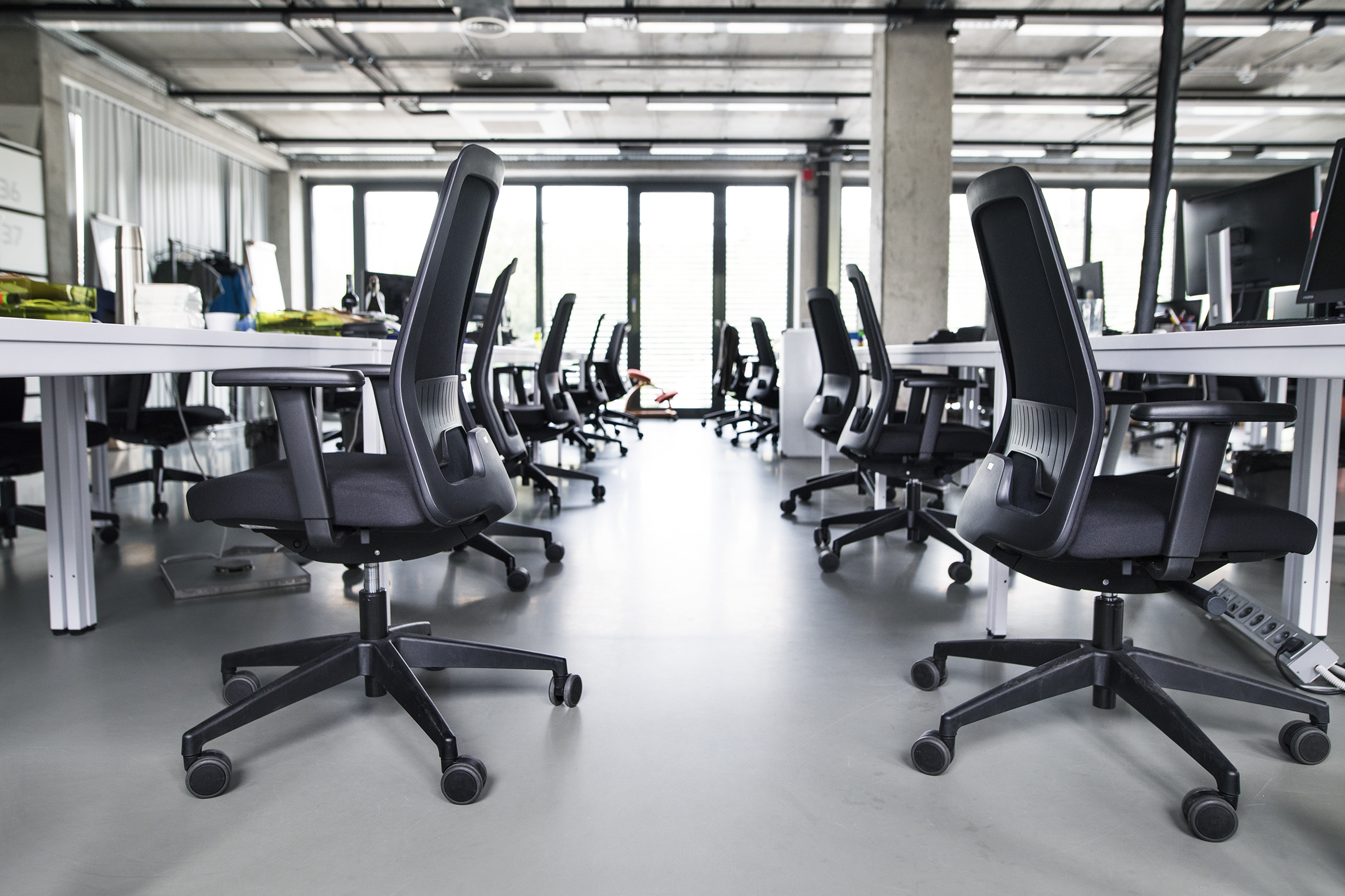
There will be cultural differences surrounding this topic; there always are. Many people thrive in a full-time office environment and want to go back; they are at one end of the bell curve, and most surveys we are seeing confirm this, as does our anecdotal dialogue with leaders. There are also antiquated leaders who believe that “their way is the highway” — and that highway points to everyone coming back to the office, no matter what. Those are the exceptions, though: The reality is that the office as we knew it is over.
I said this at the beginning of the pandemic, and my opinion still stands. Just like the dramatic shift in events, which I wrote about early last year, we are going through the equivalent of a print-to-digital transformation again but now with the workplace. This time, “print” is the traditional office building, while “digital” is working from anywhere — more often, our own homes.
In a recent Outsell survey, 58% of workers said that they felt they were more productive at home, with 30% saying productivity was unchanged; only 12% said productivity was somewhat diminished, and a mere 1% thought it dropped significantly. That, my friends, is the other side of that bell curve! Employees in our industry said the biggest concern about returning to the office was transmission during commute and the second biggest concern was work/life balance.
Team members also want flexibility. Job fit / upward mobility / better pay was given as the number one reason for leaving current employers, but number two related to options for remote work, culture, and commute (or lack thereof). People want to work where they can get their best work done — sometimes that’s in the office collaborating, and sometimes it’s at home or at Starbucks. Most of all, workers want the ability to choose. The work-from-home genie is out of the bottle, and we aren’t going back. The longer the pandemic drags on, the more our muscle memory is getting built for this new way of working.
One leader I spoke with lamented getting dressed, commuting, and going to her office just so she could Zoom others because the office was empty. Staff members don’t want to drag themselves through messy commutes that are now possibly infectious.
We also have a vaccine access problem. Until kids are vaccinated, parents will want to stay home, so they don’t inadvertently bring a breakthrough case home to unvaccinated little ones. I’m hearing this left and right, and if we don’t create flexible options for people, they will opt out of the workforce — some already are.
Flexibility means there are times to meet F2F and times to stay home and meet virtually, and our criteria for deciding when to do each are getting sharper and sharper. People have Zoom fatigue, and they got tired of lockdowns. But they didn’t get tired of the ability to choose or the need for flexibility; they also never lost the aspiration to not have to trade off their family for work or work for family. “Both/and” is our new normal, and work from home options accomplish that the best.
We are a long way from a return to normal, but one thing I know for sure is that we will be returning to a new normal cause the old way is gone forever. We will go back to offices but way, way less. We will travel for business but again, way, way less. Travel budgets are 50% of 2019 levels, and many leaders I speak with are lowering their budgets because they’ve learned to live with less travel — and it works! Oh, and they also have sustainability goals, and those goals don’t call for more emissions from airplanes and more clogged highways.
So, we will learn to work with flexible work demands. Our thresholds for travel have gone way way up. Our demands for flexibility way, way more. And right now, any leader who isn’t putting flexibility at the core of their culture has a rude awakening ahead. I’m laying bets: Just watch the turnover numbers.