
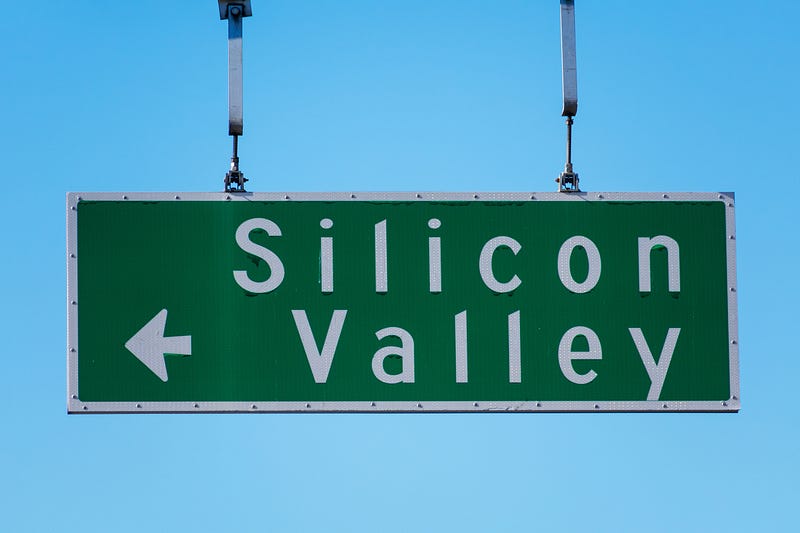
Silicon Valley Fever
Lord of the Flies played out in swift motion this past week for all the world to see. Silicon Valley, and the rest of the world agape watching the coup in boardroom A, or rather on Google Meet unfold in all its gory detail, the plot thickening, wild antics, backstabbing, backtracking, and brinksmanship all on full display.
Here at Outsell, our Teams channels and email lit up. Our futurist, David Worlock, Chief Analyst & Product Officer, Philipp Mueller, and yours truly, got into it with dialog and debate and the grist of the issues. From London to New York to Silicon Valley, the three of us chatted, so much to chew on, so little time. Philipp published a great piece on where things stand and of course the movie is still running. This will be a Harvard case study one of these days. For now, it’s a travesty.
But one thing is for sure — this is what Silicon Valley does, and how it does it, and it’s been going on since the beginning of time. Silicon Valley was spawned on risk, katy-bar-the-doors maneuvers, and in-your-face moves driven by technical prowess, huge egos, a massive drive to change the world, and belief in a better place — risk to humans be dammed. The sides have gotten more extreme and the technology potentially more dangerous, but since the dawn of the integrated circuit when Fairchild unwittingly and unwillingly spawned Intel and the rest of the valley from it, this story has unfolded time and time again.
History informs the present and here in the valley at its core the story is always about money, power, ego, and a belief in some technology and its power to change the world. It goes by other names, other philosophies — right now the buzz is about different ideologies at the core of the OpenAI mess. It goes by a different name, but it boils down to the same thing every single time. And this time is no different.
There is a seminal book, now referred to as a history book, about the dawn of Silicon Valley. It is written by two people I was very close to, no longer living, who so well told the story of this miraculous valley. Silicon Valley Fever: Growth of High Technology Culture captures the dawn of the valley and the culture it wrought. (For my 10 seconds of fame you will find me on page 82.) It’s authors always on the leading edge. Everett M. Rogers was the originator of the infamous diffusion curve and introduced the term early adopter. Any marketer worth their salt knows this principle. He was also my advisor at Stanford; Judith Larsen was an engineer, technology executive, and renown researcher who was also on my team at Dataquest and a close friend.
I was there. In 1971 when the term was coined albeit still too young to realize what was going on. But in 1984 when the book was published, I was right smack in the middle of the semiconductor industry, and ever since have lived through and analyzed every tech cycle that has played out in my backyard. How I wish Ev and Judy, the books authors, were still alive to write the sequel. What a story. Heck it could be a trilogy by now. But for lessons in the present, one need not look too far to the past. Stanford University, its roll and what it has become, the valley and what it has become, the gory story of Mr. Altman and what he’s to become — the roots are in this book and point to what’s playing out today. The more things change they stay the same and Mr. Altman’s saga is no different. He may be newly re-appointed, with a board remade, but tigers don’t change their stripes and Silicon Valley culture doesn’t change.
For a lesson in the future take a run at the past. Lord of the Flies is apt. For now, let’s put the screens down, quit watching this ugly story, and just enjoy Thanksgiving with our family and friends. It’s time to turn off the saga of OpenAI.