Outsell Leadership Gender Equity Benchmark
When we published the 2018 results, we named names of who the top and bottom percentiles were in gender equity in the C-Suite. Companies with 40–60 percent gender equity (male to female or female to male) ranked highest. Those that ranked at the bottom — (0–10 male to female or female to male) were also shared a few days later.
We told you then to stay tuned for the 2019 results from the Outsell Leadership Gender Equity Benchmark and we announced them last week at the Outsell Women’s Conference. This post shows the list below.
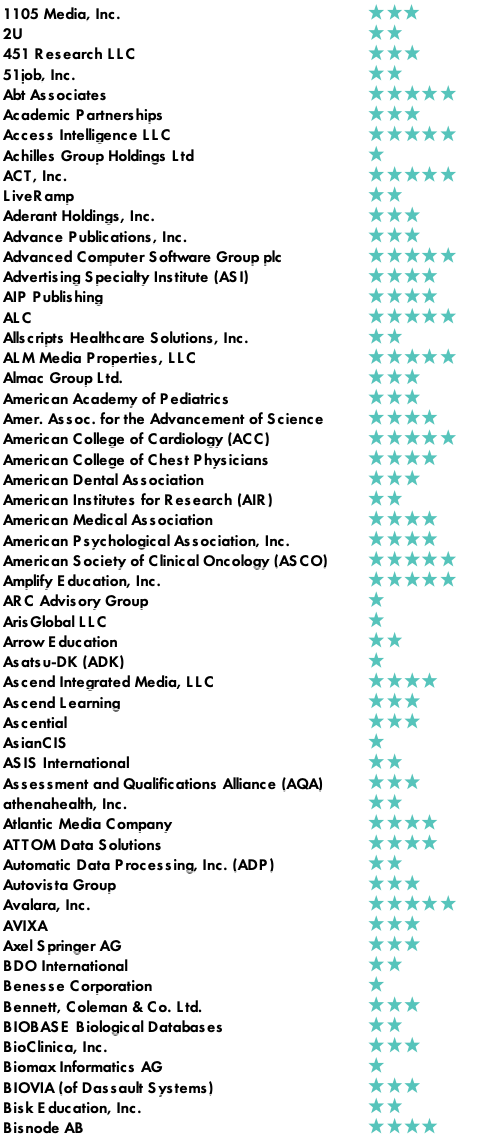
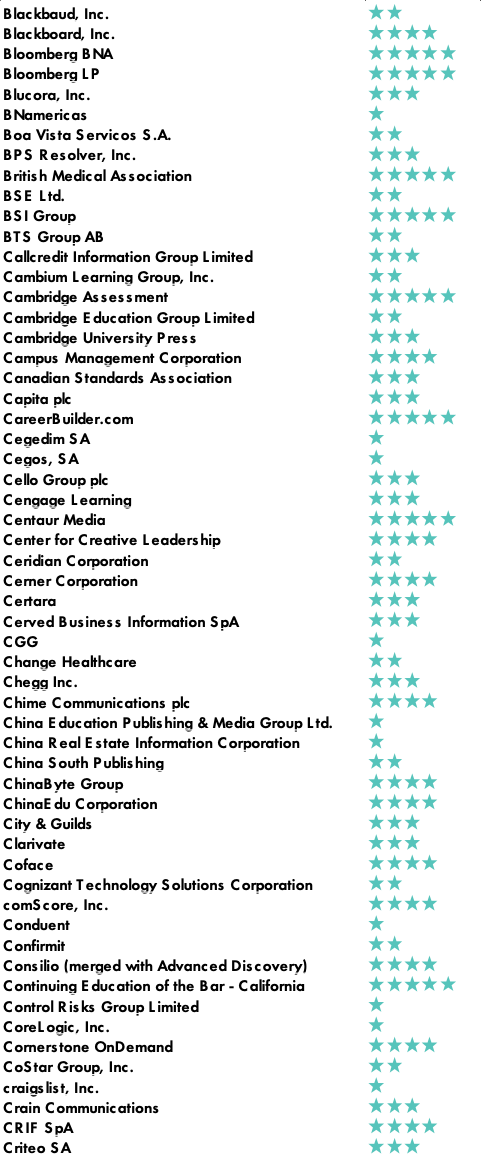
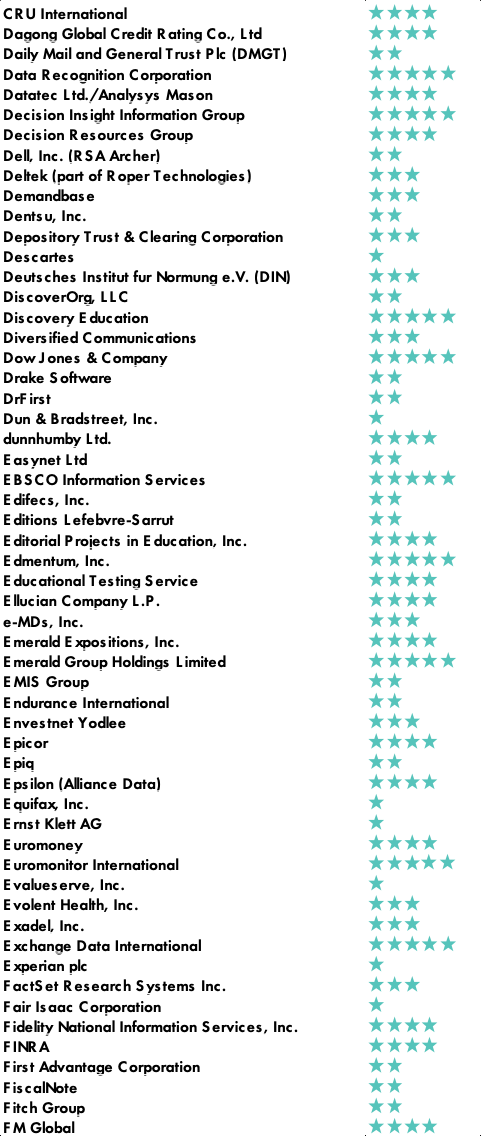
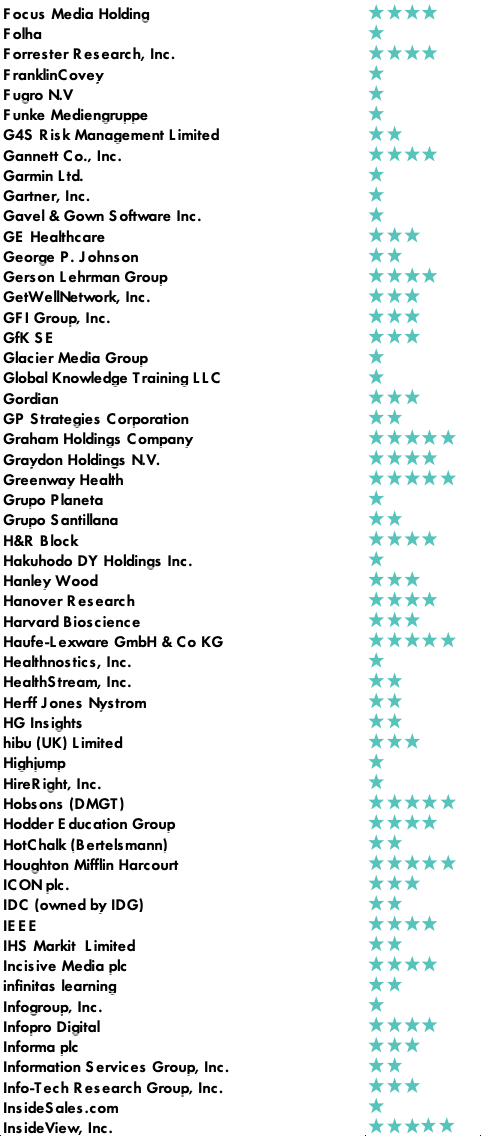
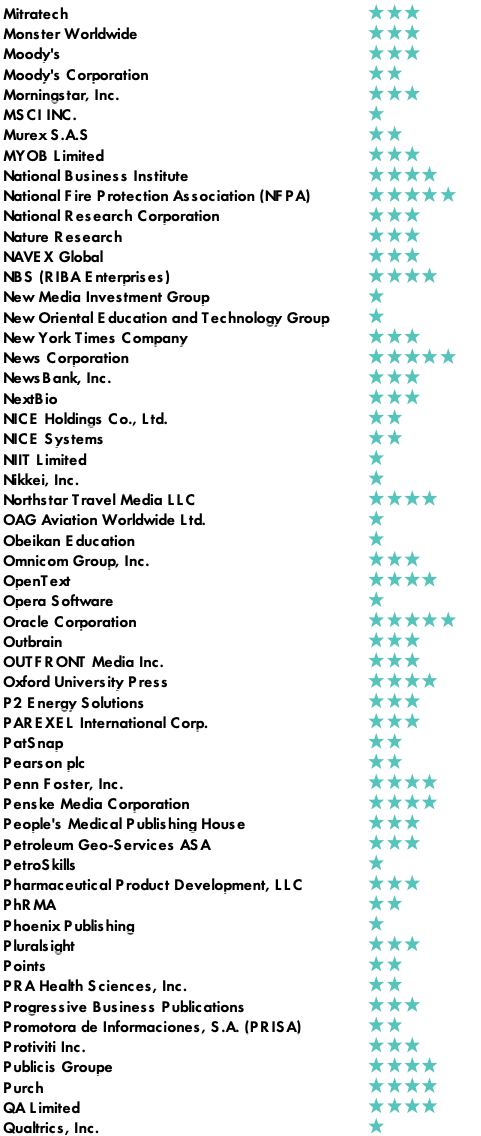
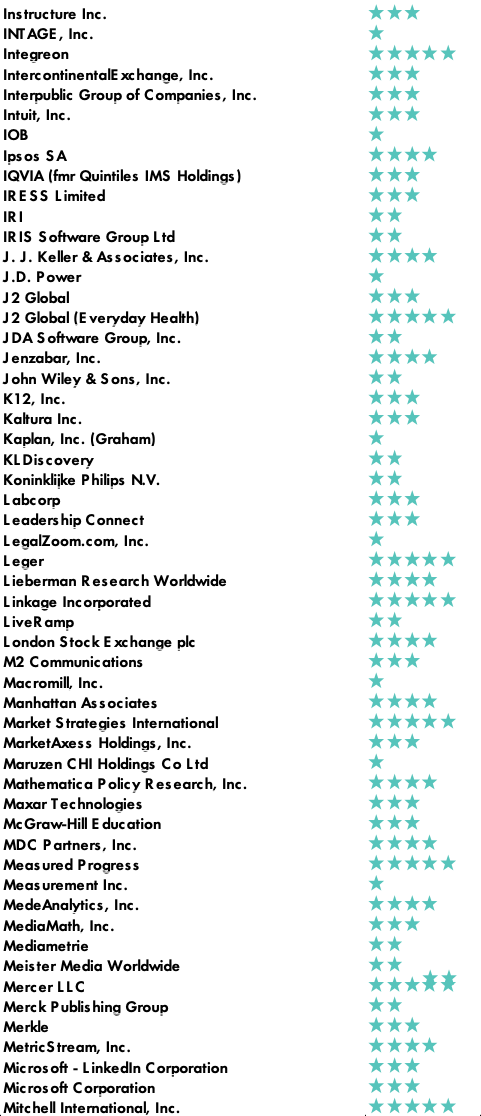
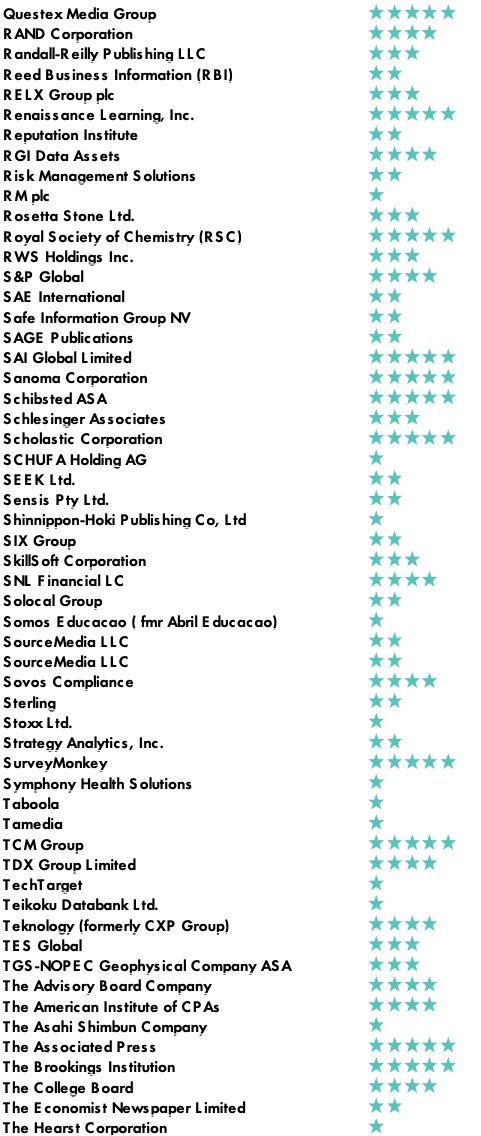
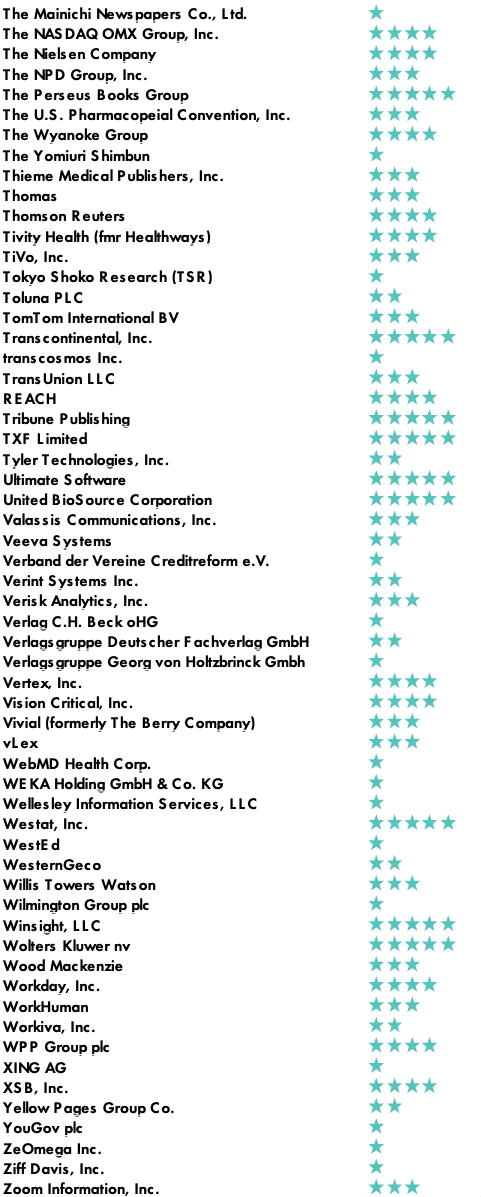
We ranked 450 companies who are leaders in their sectors and also include those who are clients. Our methodology has stayed the same over three years: rank the percentage of males and females on executive leadership teams as represented on a company’s own website. Flip to the Leadership, Executive, or Management page, find the list of officers and biographies and count. It’s a simple as that but as powerful as that. It’s scary to do this study and see rows and rows of middle-aged white men. Yes, there are companies today that have 90% exec teams all MEN. Ugh. The female majority is still a minority, so I don’t get as worked up about that. But either way blended is best and we have work to do to get better parity in our industry. And we feel it’s essential to measure what needs to be managed and this is something we’re going to continue measuring. See below for our ranked list in alphabetical order.
Five-star companies are balanced. 4, 3, 2 and 1 are defined as:
5 stars = companies where women account for 40–60% of total executives
4 stars = companies where women account for 30–40% or 60–70% of total executives
3 stars = companies where women account for 20–30% or 70–80% of total executives
2 stars = companies where women account for 10–20% or 80–90% of total executives
1 star = companies where women account for 0–10% or more than 90% of total executives
You’ll see your company or one you want to go to work for. How do they measure up? Take a peek and then decide to do something about it. Leave, join, insist on better D&I programs, start one. Do something and know we’re going to expand this coverage and ranking for all the companies we track and analyze. It’s an easy metric and one you can get as you evaluate whether to join a company. Call us, or flip to their website, and in the interim here’s a jump start to those we ranked:
We’re naming names and congrats to those at the top of the balance sheet! I’ll never forget the female summer intern who did this study for us the first time. She looked at 350 companies and became distraught wondering what her odds were in our industry, based on what she was seeing. She was a math major doubled with literature. The smartest I knew and one who had the ability to marry the quantitative side of things with the business side because she was bilingual in math and liberal arts. This was the talent we don’t want to lose. That our industry desperately needs. Yet she was desperately wondering if we had a place for her as she looked at all these websites. She doesn’t need us; she can go elsewhere and it’s incumbent on leaders out there to make a difference in the diversity of their teams. People are looking. And we believe talent will be won or lost based on how we look.